BIG APPLE TRIATHLON
Saturday, October 10, 2026 – New York City – Alpha Win Racing
ALPHA WIN RACING

About
THE BIG APPLE TRIATHLON
Experience NYC's Most Epic Triathlon
Begin your journey on the historic banks of the Hudson River and finish triumphantly in the heart of Central Park. The Big Apple Triathlon isn't just a race—it's your chance to conquer the world's most iconic cityscape.
CHOOSE YOUR RACE
Whether you're racing solo, teaming up with friends, or skipping the run, there’s a perfect race for you!
LIVE Registration Counter

SPRINT
1500m Swim | 12.4mi Bike | 2.5mi Run
Perfect for first-timers or those looking for a fast, high-energy race.

OLYMPIC
1500m Swim | 24.8mi Bike | 6.2mi Run
For those ready to take on a longer endurance challenge.
ADDITIONAL RACE OPTIONS

RELAYS
One athlete swims, one bikes, one runs.

AQUABIKE
Sprint
1500m Swim | 12.4mi Bike | No Run
Olympic
1500m Swim | 24.8mi Bike | No Run
WHO IS ALPHA WIN?
A Distance For Everyone
Alpha Win offers thrilling race events for everyone, from triathlon veterans to first-timers. Enjoy a seamless, encouraging, and memorable race with us, and connect with fellow endurance enthusiasts.
Why Register Now?
THE EARLIER YOU REGISTER THE BETTER
- More time to train
- More motivation to commit
- Race at the best possible price
OUR PARTNERS
Join us in creating an unforgettable triathlon experience. The Big Apple Triathlon offers partnership & vendor opportunities. Learn more here





Big Apple Triathlon – Frequently Asked Questions
When is the Big Apple Triathlon?
Saturday, October 10. Learn more about the schedule here
What race distances are offered?
Race Type Swim. Bike. Run.
Olympic Triathlon 1500m 24.8 mi 6.2 mi
Sprint Triathlon 1500m 12.4 mi. 2.5 mi
Olympic Aquabike 1500m 24.8 mi —
Sprint Aquabike 1500m 12.4 mi —
Wetsuits
The event follows USAT guidelines; wetsuits are permitted below 78°F.
USAT Memberships
All participants must have a valid USA Triathlon membership to compete. During registration, you'll need to either provide your current USAT annual membership number or purchase a one-day license
Parking
There is NO event parking available at Riverside Park or Central Park. NYC has extremely limited parking options for large events. We strongly recommend using public transportation (subway/bus), rideshare services (Uber/Lyft/taxi), or arranging for drop-offs. The 1/2/3 subway lines have stations at 72nd, 79th, and 96th Streets that provide convenient access to the race area. Full transportation recommendations will be provided in pre-race communications.
What if I don't have a bike? Can I rent one?
Yes! Unlimited Biking, our official rental partner, offers a variety of bikes and sizes. Their service includes convenient pickup/drop-off near the race site—perfect for travelers! Learn More: https://unlimitedbiking.com/events/alpha-win-big-apple-triathlon/
Gear & On-site Rules
All gear must be labeled, placed in a clear plastic bag, and may be subject to inspection. Gear must be stored only in designated areas.
Are spectators allowed?
Spectators are encouraged to support athletes throughout the Big Apple Triathlon, but must remain within designated viewing areas for safety and security reasons. A detailed spectator map will be released prior to race day.
Are there age group awards?
Yes. Awards will be presented for top 3 in each age group. There are also overall podium awards and a Club Competition option for teams.
Refunds
Entry fees for all Alpha Win races are non-refundable. Prior to this event, an athlete may request to transfer to the following year's event. A $100 transfer fee will apply. Transfers can be requested up until 1 month out from the event.
In the event the race is cancelled, athletes will be offered the option of a refund or a transfer to next year's event.
Who do I contact with more questions?
Reach out to the Alpha Win team at: 📧 [email protected]
What is included in the VIP Package?
Complimentary three-course Dinner for two at BlackBarn NYC during race week
- Priority Packet Pick Up at BlackBarn NYC during race week
- Complimentary Shuttle from Finish Line back to transition at the conclusion of the race
- Priority Racking in Transition with access to exclusive restrooms
- Two Passes to VIP Hospitality Spectator tent at finish line for friends and family.
- Access to VIP Restrooms at Finish Line
- Unlimited Access to Personalized Race photos
- Commemorative Big Apple Triathlon Swag item
Where can I participate in an open water Swim?
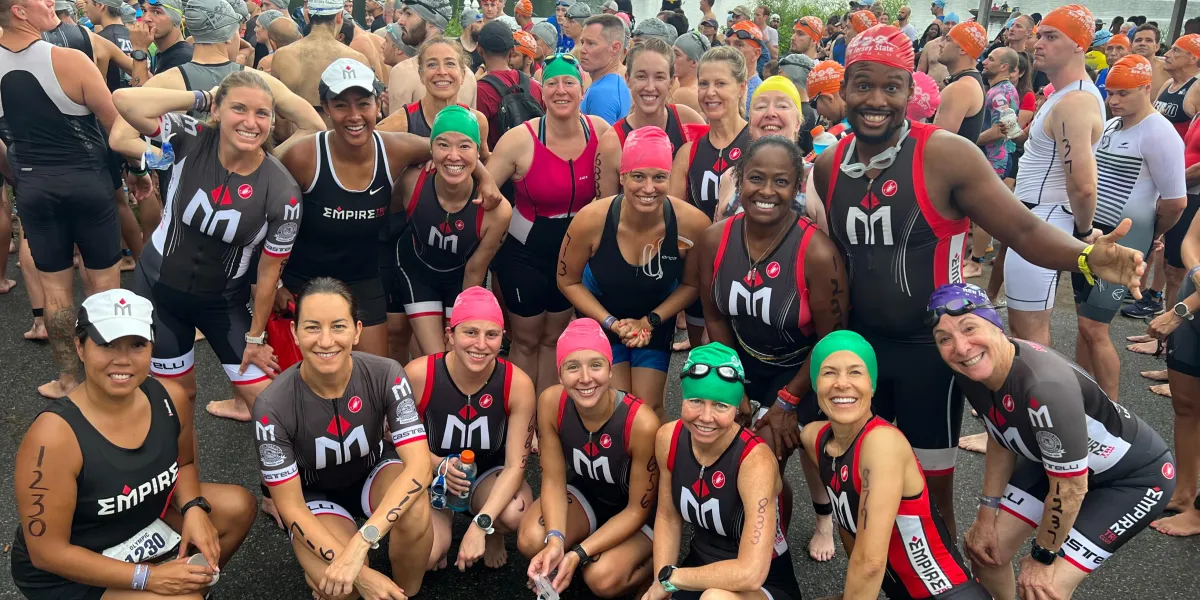
New to open water swimming or want to dial in your race-day confidence before tackling the Hudson? Join Empire Tri Club's Open Water Swim Clinics and train in race conditions with coaches who will help you lear navigating currents, and staying calm in the water. Check it out here
Hudson River Swim Clinics
New to open water swimming or want to dial in your race-day confidence before tackling the Hudson? Join Empire Tri Club's Open Water Swim Clinics and train in race conditions with coaches who will help you lear navigating currents, and staying calm in the water.
Looking for more Races?
Check out the rest of our race destinations and register for more racing.
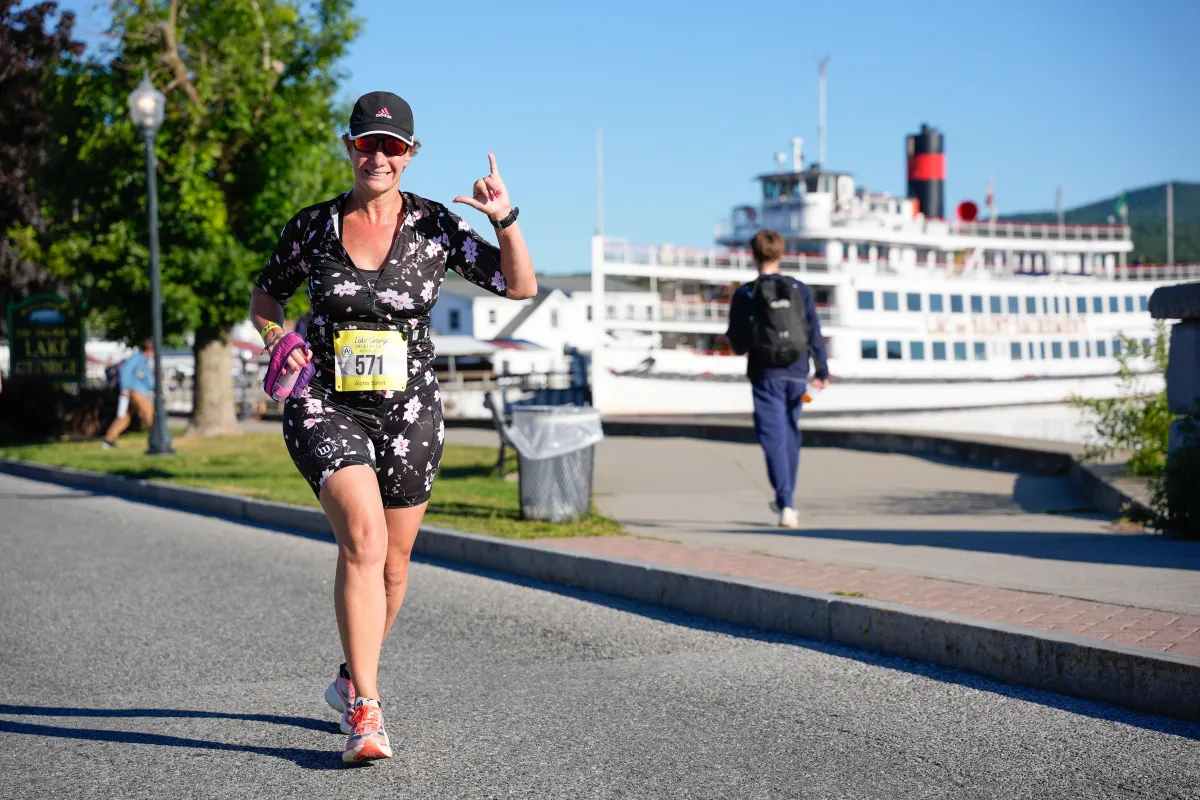
First time triathlete?
Check out our beginner's guide with all the resources you need to get started:
VIP Package
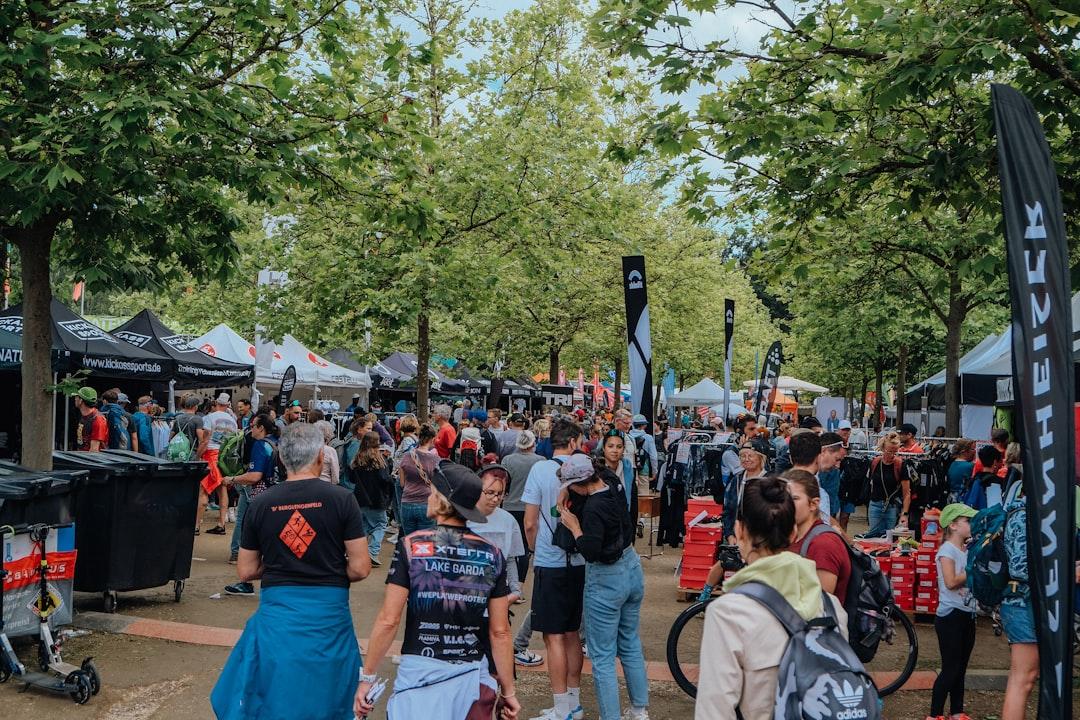
Upgrade your race weekend with VIP access — priority logistics, exclusive experiences, and premium race-day amenities. Learn more in the FAQ & add on during your registration process
Lodging & Accommodations
Stay Where Race Weekend Starts
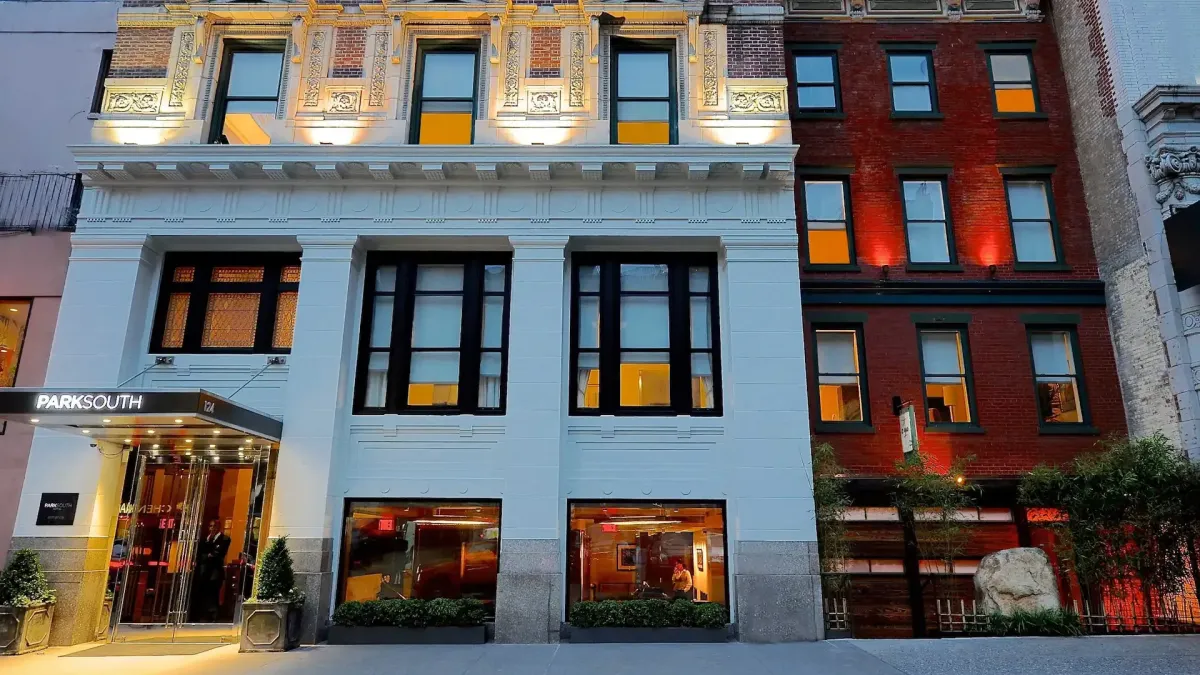
Park South Hotel is our preferred athlete hotel. Guests staying at the property will receive race packet delivery for a smoother race-weekend experience.
REGISTER
Registration is OPEN! Price will increase with every 500 entries! Race sells out at 2500